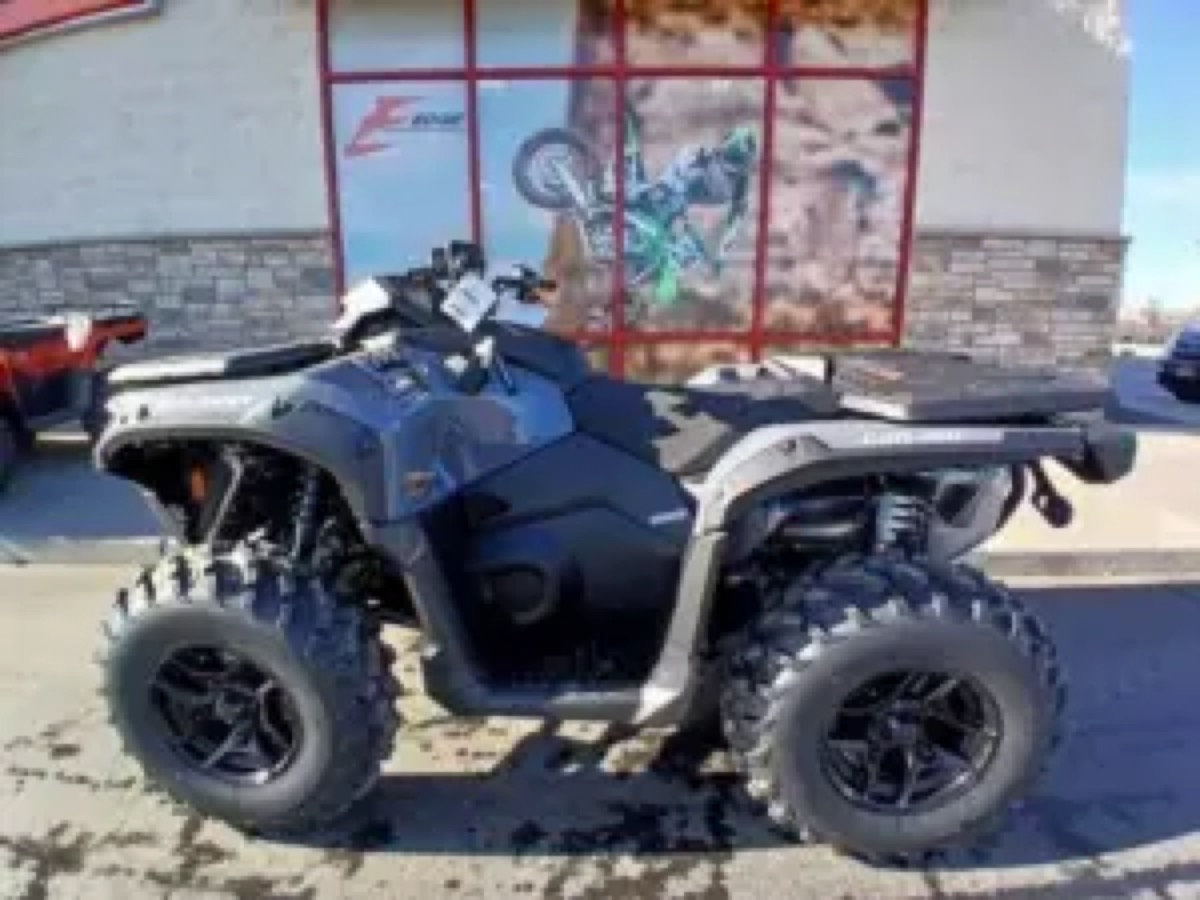
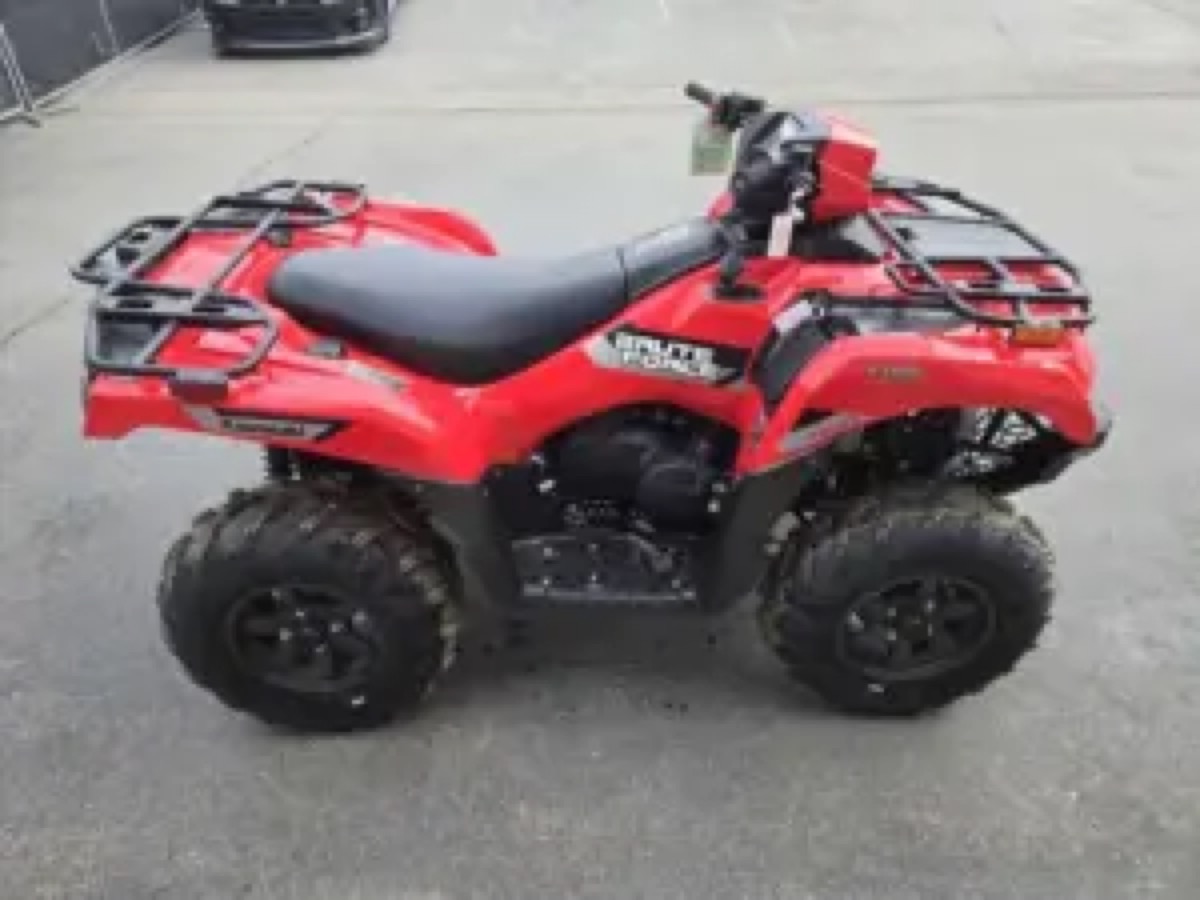
Comparing the Can-Am Outlander to the Kawasaki Brute Force? See why the Outlander’s Rotax power and TTI suspension make it the top choice for Treasure Valley riders.
If you’re shopping for a 4×4 ATV in the Treasure Valley, two names dominate the conversation: the Can-Am Outlander and the Kawasaki Brute Force.
To be fair, the Brute Force has a loyal following. It’s a “tank”—tough, simple, and famously loud. But in the rugged terrain of Mountain Home, where we deal with everything from high-speed desert trails to technical mountain climbs, “tough and simple” only goes so far.
When you compare performance, suspension geometry, and rider tech, the reality is clear: The Can-Am Outlander has evolved into a precision tool, while the Brute Force has remained a blunt instrument.
1. Engine Performance: Rotax Power vs. Yesterday’s V-Twin
Both machines run V-Twins (or high-output singles in the mid-bore class), but the delivery is worlds apart.
- The Brute Force 750: Known for a “hit” off the bottom, the Kawasaki feels punchy because it uses an older CVT calibration. It’s fun for a second, but it can be tiring during a long day of chores or technical rock crawling.
- The Outlander (Rotax) Advantage: Whether you choose the 500, 700, 850, or the terrifyingly fast 1000R, Can-Am’s Rotax engines offer more horsepower and Intelligent Throttle Control (iTC).
- The Clincher: iTC allows you to switch between Work, Standard, and Sport modes. You get smooth, manageable power for backing up to a trailer, and arm-stretching performance for the open trail. The Kawasaki simply doesn’t have that “brain.”
2. Suspension: TTI vs. Traditional A-Arms
This is where the Outlander truly pulls away. The Kawasaki uses a traditional dual A-arm rear suspension. The Outlander uses Can-Am’s patented Torsional Trailing arm Independent (TTI) rear suspension.
- Why it matters in Idaho: Traditional A-arms cause the wheels to move in a “butterfly” motion as they compress, changing your contact patch. Can-Am’s TTI moves the wheels straight up and down.
- The Result: The Outlander tracks straighter, has zero “scrub,” and stays planted on off-camber hills where the Brute Force can feel tippy and nervous.
3. Technology: Visco-Lok vs. The Manual Lever
Kawasaki still uses a manual “variable front differential control” lever. It requires the rider to pull a lever on the handlebar to lock the front wheels.
- The Outlander Advantage: Can-Am’s Visco-Lok† QE (Quick Engagement) front differential is fully automatic. It senses a wheel slipping and transfers power to the wheel with grip instantly.
- The Takeaway: In the middle of a muddy creek or a rocky climb, you should be focusing on your line, not fumbling with a lever to get traction. Can-Am does the thinking for you.
4. The LinQ Ecosystem: Work Smarter
Riders in Mountain Home use their ATVs for more than just play. Whether it’s hauling fencing pliers or a chainsaw, storage matters.
- Kawasaki: Uses traditional steel racks. They’re strong, but you’re stuck using bungee cords and zip ties.
- Can-Am: Features the LinQ accessory system. It allows you to “click” in high-end cargo boxes, gun boots, and racks in seconds without tools. It’s the most organized, professional-grade utility system on the market.
5. Ergonomics: Ride All Day, Not Just All Hour
The Brute Force is often described as “riding a couch”—but a couch from 1998. It feels wide between the knees and the seating position is “on top” of the machine rather than “in” it.
- Outlander Refinement: Can-Am designed the Outlander with a narrow seat and sculpted footwells. This makes it easier to shift your weight for cornering and reduces inner-thigh fatigue. When you’re 40 miles into a ride toward the Owyhees, your body will thank you for choosing the Can-Am.
The Bottom Line: Evolution Always Wins
The Kawasaki Brute Force is a solid machine if you want a “set it and forget it” ATV with a vintage feel. But we don’t live in a vintage world.
For the rider who wants more horsepower, better stability, smarter traction, and all-day comfort, the Can-Am Outlander isn’t just the better option—it’s the only one that feels like it belongs in 2026.
Test Ride the Outlander at Edge Performance Sports
The best way to feel the difference between “old school” and “cutting edge” is from the saddle. Visit us at Edge Performance Sports in Mountain Home. We’ll show you why the Outlander continues to be one of the top selling ATV platforms in the world.